


Lemon essential oil has gained immense popularity in recent years, and for good reason. Its refreshing, citrusy aroma not only uplifts the mood but also offers a wide range of health, skincare, and household benefits. Whether you’re a beginner or an experienced essential oil user, understanding the different types, benefits, and proper uses of lemon essential oil can enhance your wellness routine and home environment.
In this article, we’ll explore the different variations such as 100% pure lemon essential oil, lemon citrus essential oil, lemon eucalyptus essential oil, lemon myrtle essential oil, and more. We’ll also cover tips on using lemon essential oil diffusers, combining it with other oils like lavender and lemon essential oil, and even making your own blends at home.
What is Lemon Essential Oil?
Lemon essential oil is extracted from the peel of fresh lemons through a process called cold pressing. This process ensures the oil retains its natural properties, including a high concentration of vitamin C, antioxidants, and limonene, a compound known for its antibacterial and mood-boosting effects.
There are several types of lemon essential oils available on the market today:
100% pure lemon essential oil: Extracted purely from lemons with no additives.
Cold pressed lemon essential oil: Obtained by pressing the peel without heat, preserving the natural compounds.
Organic lemon essential oil: Sourced from organically grown lemons, free from pesticides and chemicals.
Lemon citrus essential oil: Offers a bright, tangy scent and can be used for aromatherapy and cleaning.
Lemon eucalyptus essential oil: A refreshing blend that combines citrus with the cooling effects of eucalyptus.
Lemon myrtle essential oil: Known for its antibacterial and antifungal properties.
Diffuser lemon essential oil: Specifically intended for diffusers to purify the air and uplift your mood.
Benefits of Lemon Essential Oil
Lemon essential oil is not just about the pleasant aroma. Its therapeutic and practical benefits are vast:
1. Boosts Mood and Reduces Stress
The invigorating scent of lemon essential oil is known to help alleviate anxiety and depression. When used in a diffuser, it creates a calm, refreshing atmosphere that uplifts your spirits and energizes your mind. For enhanced relaxation, try combining it with lavender and lemon essential oil in your diffuser.
2. Supports Immune Health
Rich in antioxidants, 100% pure lemon essential oil helps strengthen the immune system. Its antibacterial properties make it ideal for supporting overall wellness, especially during cold and flu season.
3. Promotes Skin Health
Thanks to its natural antiseptic and astringent properties, organic lemon essential oil can help fight acne, brighten the complexion, and improve oily skin. Always dilute with a carrier oil before applying to the skin.
4. Household Cleaning
Lemon essential oil is a natural, chemical-free way to clean surfaces and deodorize your home. Lemon and eucalyptus essential oil blends are especially effective for disinfecting and leaving a fresh scent.
5. Improves Digestion
A few drops of lemon essential oil can aid digestion and relieve bloating when used appropriately. Add it to a carrier oil or tea for digestive support.
How to Use Lemon Essential Oil
There are numerous ways to incorporate lemon essential oil into your daily life:
Aromatherapy
Use diffuser lemon essential oil or a lemon essential oil diffuser to freshen the air and create a calming environment at home or in the office. Combine with lavender and lemon essential oil for a soothing, balanced aroma.
Topical Application
Mix organic essential oil lemon with a carrier oil and apply to skin for rejuvenation and acne prevention.
DIY Cleaning Products
Combine lemon citrus essential oil with vinegar or baking soda for a natural, effective cleaning solution that leaves your home smelling fresh.
Homemade Blends
Experiment with blends such as:
Lemon eucalyptus essential oil for cooling and refreshing effects
Lemon and eucalyptus essential oil for purifying the air
Lemon myrtle essential oil for antibacterial properties
Culinary Uses
While not all lemon essential oils are food-grade, cold pressed lemon essential oil can sometimes be used in small quantities for flavoring desserts, teas, and cocktails. Always check for purity and safety before ingesting.
How to Make Lemon Balm Essential Oil
If you’re curious about creating your own oils at home, how to make lemon balm essential oil is a fun DIY project. Lemon balm has a gentle citrus aroma similar to lemon and can be infused into carrier oils for topical use or aromatherapy.
Steps:
Harvest fresh lemon balm leaves.
Chop and bruise the leaves slightly.
Place in a glass jar and cover with a carrier oil.
Seal the jar and leave in a sunny spot for 2-3 weeks.
Strain and store in a dark glass bottle.
This homemade version may not be as concentrated as commercial 100% pure lemon essential oil, but it’s a natural, aromatic alternative.
Combining Lemon Essential Oil with Other Oils
Blending oils can create unique scents and enhance therapeutic benefits. Some popular combinations include:
Lavender and lemon essential oil: Soothes anxiety, improves sleep, and refreshes the space.
Lemon and eucalyptus essential oil: Cleanses the air and provides respiratory support.
Lemon myrtle essential oil with organic lemon essential oil: Boosts antibacterial effects for cleaning or skincare.
Choosing the Right Lemon Essential Oil
When selecting lemon essential oils, consider the following:
Purity: Look for 100% pure lemon essential oil without fillers or synthetic fragrances.
Extraction method: Prefer cold pressed lemon essential oil for maximum potency.
Organic certification: Choose organic lemon essential oil to avoid harmful chemicals.
Intended use: Decide whether you need diffuser lemon essential oil, skincare-grade, or culinary-safe oils.
Safety Tips for Lemon Essential Oil
While lemon essential oil is natural, it should be used safely:
Always dilute before applying to skin.
Avoid direct sun exposure after applying, as citrus oils are photosensitive.
Keep out of reach of children and pets.
Use only high-quality oils labeled 100% pure lemon essential oil or organic essential oil lemon.
Where to Buy Lemon Essential Oil
High-quality lemon essential oils can be found online or in specialty stores. Look for trusted brands offering diffuser lemon essential oil, cold pressed lemon essential oil, and organic lemon essential oil. Always read reviews, check third-party testing, and verify the source to ensure authenticity.
FREQUENTLY ASKED QUESTIONS
Is this lemon essential oil 100% pure and natural?
Yes! Aromapure Lemon Essential Oil is 100% pure and natural and free of any adulterants and additives.
Can lemon essential oil be used for aromatherapy or in a diffuser?
Absolutely. When used for aromatherapy in a diffuser, Lemon essential oil can be energizing and cleansing to the air. It can also support a healthy immune system.
How can lemon essential oil be used for cleaning purposes?
Lemon essential oil can be added to a diffuser to help clean the air, it can be added to a multi-surface cleaner to help brighten and clean surfaces, as well as many other uses listed above under the “DIY Cleansers” tab.
What is the recommended dilution ratio for using lemon essential oil topically?
Aromapure recommends that Lemon essential oil be diluted to up to 2% for topical application. That would be equal to 6 drops of lemon essential oil to 10 ml of carrier oil.
Lemon essential oil is a versatile, refreshing, and natural addition to any home, wellness routine, or DIY project. From improving mood to enhancing skin, aiding digestion, or refreshing your living space, its uses are nearly limitless. Incorporating varieties like lemon eucalyptus essential oil, lemon myrtle essential oil, and lavender and lemon essential oil blends can expand its benefits even further.
By choosing 100% pure lemon essential oil, cold pressed lemon essential oil, or organic essential oil lemon, you ensure safety, potency, and maximum effectiveness. Whether used in a lemon essential oil diffuser or blended with other oils, this citrus powerhouse is an essential addition to your natural wellness toolkit.
[/et_pb_text]References:
- http://www.mdpi.com/1420-3049/17/3/2704?trendmd-
- http://journal.ashspublications.org/content/126/3/309.full.pdf
- https://www.ncbi.nlm.nih.gov/pubmed/18072821
- https://www.ncbi.nlm.nih.gov/pubmed/20625233
- https://www.ncbi.nlm.nih.gov/pubmed/21445622
- https://www.ncbi.nlm.nih.gov/pubmed/20385194
- http://onlinelibrary.wiley.com/doi/10.1002/ptr.3227/abstract
- https://www.sid.ir/en/journal/ViewPaper.aspx?ID=599457
- https://www.ncbi.nlm.nih.gov/pubmed/21134357
- http://naha.org/?/explore-aromatherapy/safety
- http://easyayurveda.com/about/
- https://www.ncbi.nlm.nih.gov/pmc/articles/PMC5894780/
- http://www.ncbi.nlm.nih.gov/pubmed/20377818
- http://www.ncbi.nlm.nih.gov/pubmed/24829772
- http://onlinelibrary.wiley.com/doi/10.1002/jnr.23393/abstract
- http://www.ncbi.nlm.nih.gov/pubmed/15366861
- http://www.ncbi.nlm.nih.gov/pubmed/24746728
- Thomas, E., et al. (2007). “Effects of D-limonene on gastric acid suppression and gastrointestinal motility.” Journal of Gastroenterology and Hepatology.
- Singh, R. P., et al. (2004). “Antioxidant properties of citrus peel compounds, including D-limonene.” Food Chemistry and Toxicology.
- Cho, H., et al. (2015). “Anti-inflammatory potential of citrus essential oil compounds in arthritis models.” Journal of Inflammation Research.
- Johnson, J. A., et al. (2012). “Metabolic effects of D-limonene in diet-induced obesity models.” Obesity Research Journal.
- Liang, C., et al. (2017). “Antimicrobial activity of D-limonene against bacterial pathogens.” Journal of Antimicrobial Chemotherapy.
- Park, S. Y., et al. (2018). “Liver enzyme modulation by citrus-derived terpenes in detoxification pathways.” Hepatology International.
- Allen, N. E., et al. (2003). “D-limonene’s impact on lipid profiles and cardiovascular health.” Cardiovascular Toxicology.
- Crowell, P. L. (1999). “D-limonene: Anticancer activity and chemoprevention.” Critical Reviews in Oncology/Hematology.
- Hongratanaworakit, T. (2011). “Effects of aromatherapy with citrus oils on mood and anxiety.” Natural Product Research.
- Kawai, N., et al. (2010). “Respiratory benefits of citrus oil inhalation in upper respiratory tract infections.” Pulmonary Pharmacology & Therapeutics.
- U.S. Food and Drug Administration (FDA). (2010). “GRAS determination for D-limonene in dietary supplements.” FDA Journal of Food Safety.
- WebMD. “Allergic reactions and safety of citrus-derived terpenes.” Available at: https://www.webmd.com.
- World Health Organization (WHO). (2017). “Guidelines on the use of bioactive compounds in pregnancy and lactation.” WHO Technical Reports.
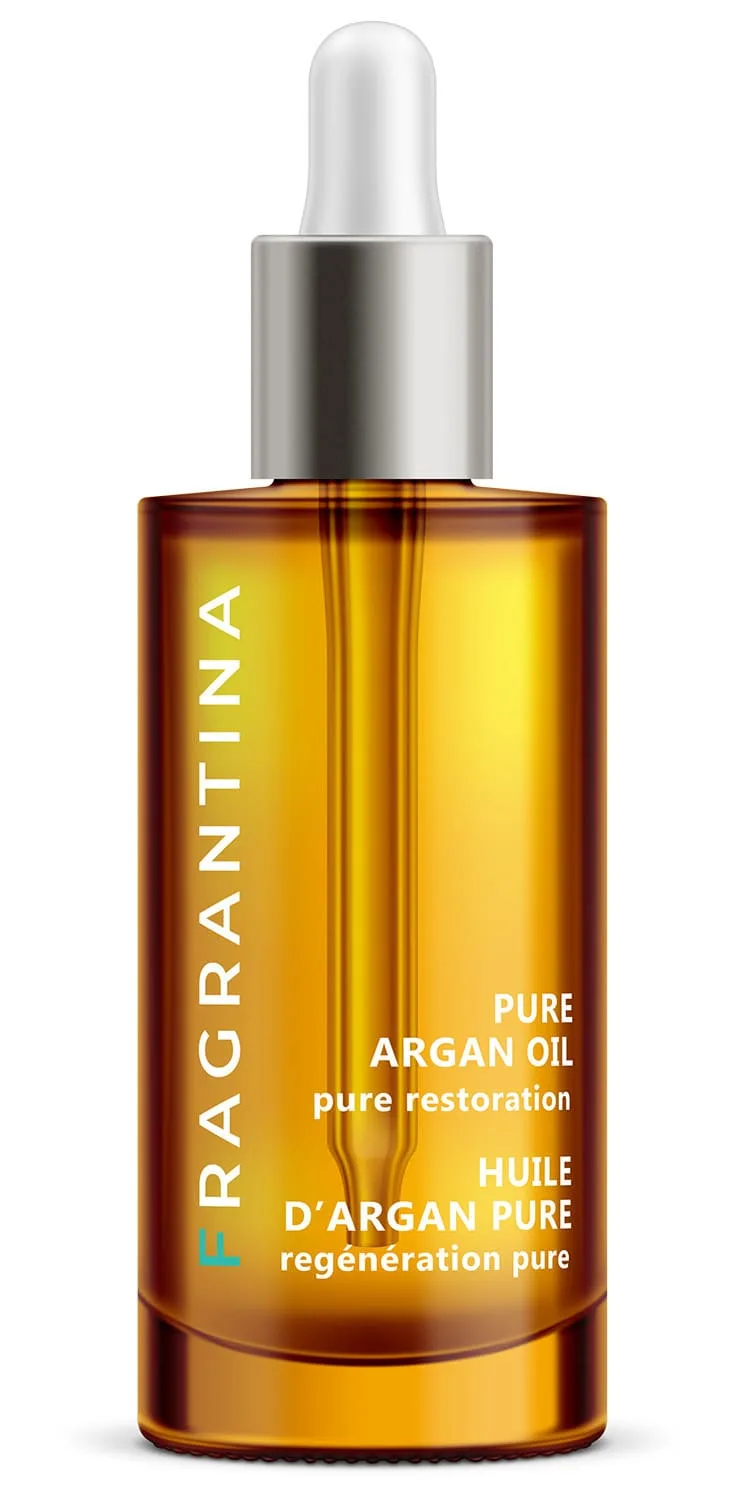
“luse this oil on my hair consistently and it has done great things for my hair!! It’s cold-pressed, unrefined, lightweight, only one ingredient: Argan oil from Morocco, dark colored bottle to keep oil at its purest state, and it is in glass dropper dispenser for easy application! It is a really high-quality oil for a very budget friendly price point!”
